A Closer Look at Gen See
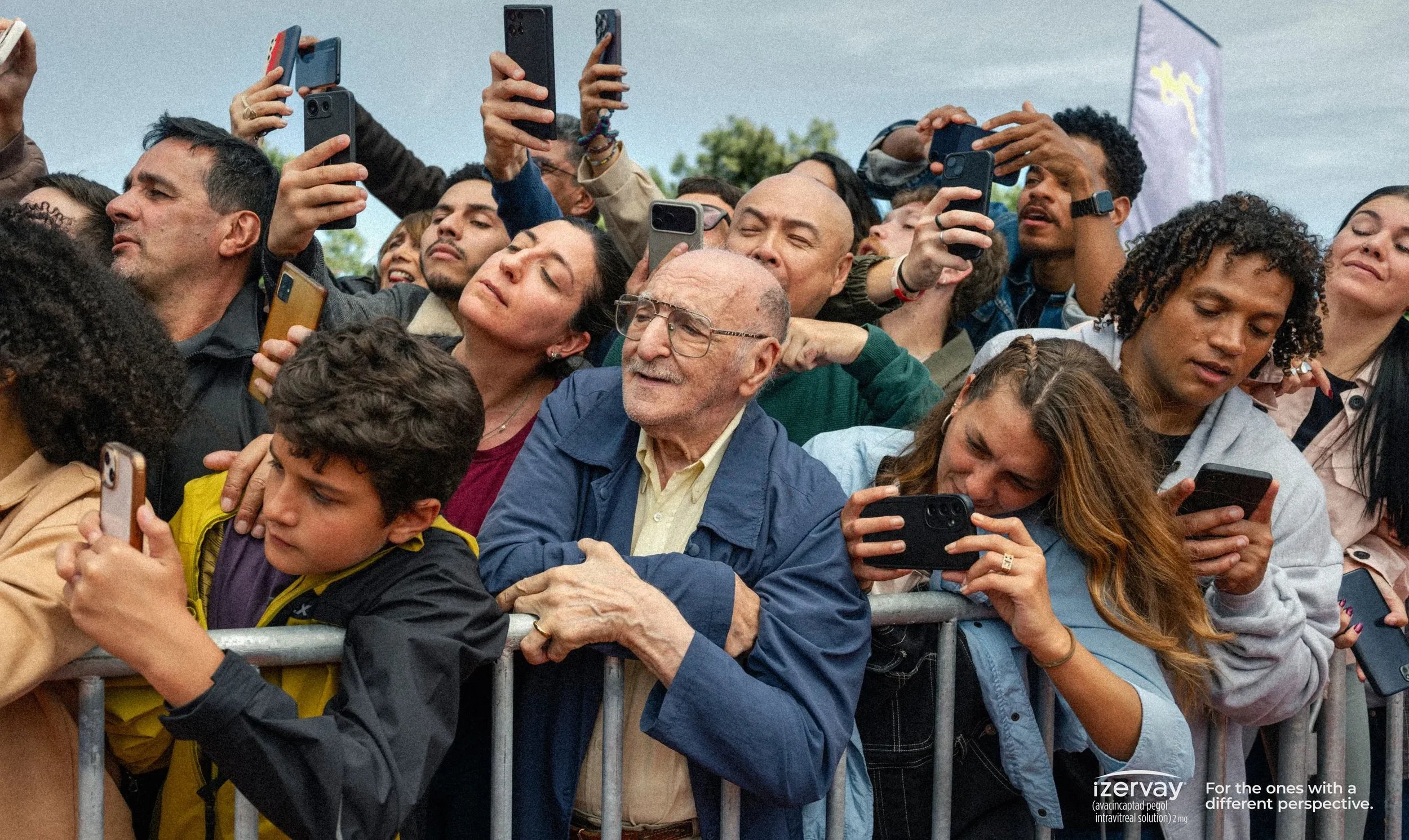
In an era dominated by screens, where life’s most precious moments are routinely filtered through five-inch displays, a striking new print-led campaign is asking physicians to look at vision preservation through a deeply human lens.
Titled “Gen See,” the campaign for IZERVAY, designed specifically for key opinion leaders and ophthalmic specialists, tackles the devastating impact of geographic atrophy (GA) in older adults. But instead of relying on clinical charts or standard medical imagery, “Gen See” makes its point through a powerful cultural contrast. We caught up with Guy Bricio of Grey Health NY to talk about the campaign.
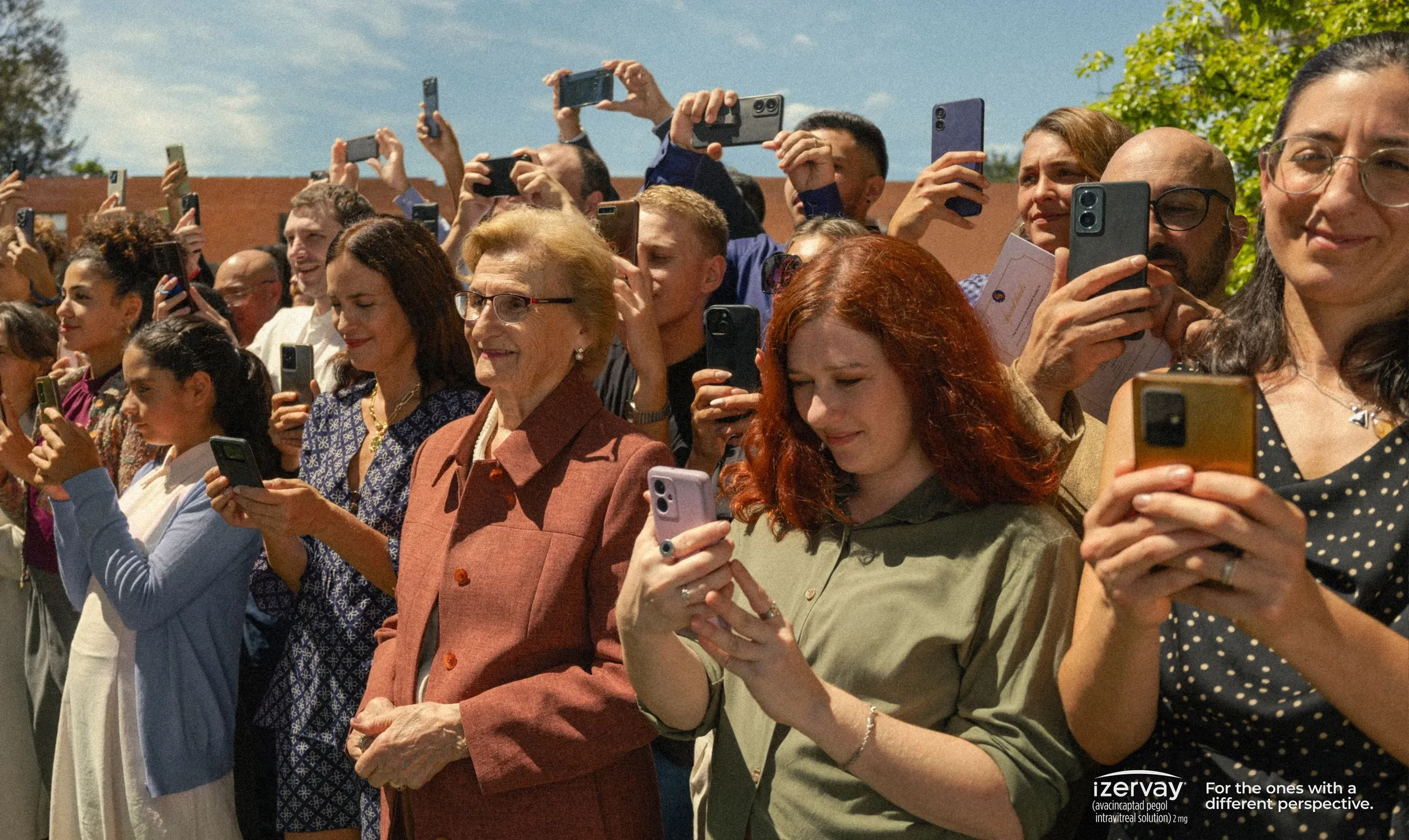
CR: The insight behind “Gen See” — an older person watching the world with their own eyes while everyone else watches through a screen — is deceptively simple. Where did that tension first emerge?
GB: Like many campaigns we love, it began in the real world. A photo taken a few years ago captured a charming elderly lady watching a red carpet event with her bare eyes surrounded by a wall of phones. We knew there was something special about that moment and the tension between how different generations choose to "save" moments differently.
CR: Geographic atrophy is a serious condition, but the campaign feels warm and culturally resonant rather than clinical. How did you land on that emotional register, and how did the client respond?
GB: In healthcare, we're constantly tiptoeing around serious conditions and sensitive topics. But that doesn't mean every campaign needs to feel alike, heavy. In fact, I think we are doing our job best as creatives when we are capable of stripping down the burden that comes within conditions like GA.
If we can uncover universal truths that speak to many and not only those suffering with health conditions—we are more likely to strike a chord. That's why these print ads hit so hard. Anyone can feel it, understand it, no matter what generation you belong to in that image.
The client loved it at first sight. Because while the campaign celebrates an older generation, it never demonizes the younger ones. It simply frames the reality.
CR: “Gen See” targets physicians and key opinion leaders rather than patients. How does your creative strategy shift when the audience is a HCP?
GB: HCP's are humans too. Arguably smarter right? But hey, they feel just like a patient, if not more.
The challenge with geographic atrophy is that there isn't a cure and what’s available can only slow down the progression of the disease. So the brief became: how do we make eye specialists care for about preserving vision for just a little longer?
With this campaign we offered HCPs way more than claims or clinical data. We gave them a reason. A purpose. This older generation might be the last one to see the world how it's meant to be seen. And when people feel that, their most pure instinct is to protect.
CR: The photography by Ale Burset carries a lot of weight in these executions. What made his eye the right fit for the visual tension you were going for?
GB: He was our first choice the moment the idea emerged. Ale has a rare ability to stage something that feels undeniably real and that was non-negotiable in the making of this campaign. For the visuals to work, they needed to be raw, unpredictable, beautifully messy. I watched in awe as he carefully orchestrated each of those complex scenes, refining performances and compositions until we finally knew we had it.
CR: “Gen See” works on two levels — generation and the act of seeing. How early did that double meaning take shape, and did language or photography lead the concept?
GB: The reference image came first with Bruno Rebelo, and the title "Gen-See" immediately after, thanks to Roberto Vilhena, all in the same afternoon. Those two ingredients made very clear to us we had something powerful on our hands. After doing this for a while, you learn to know when it clicks. And when it does, it's so god damn satisfying.
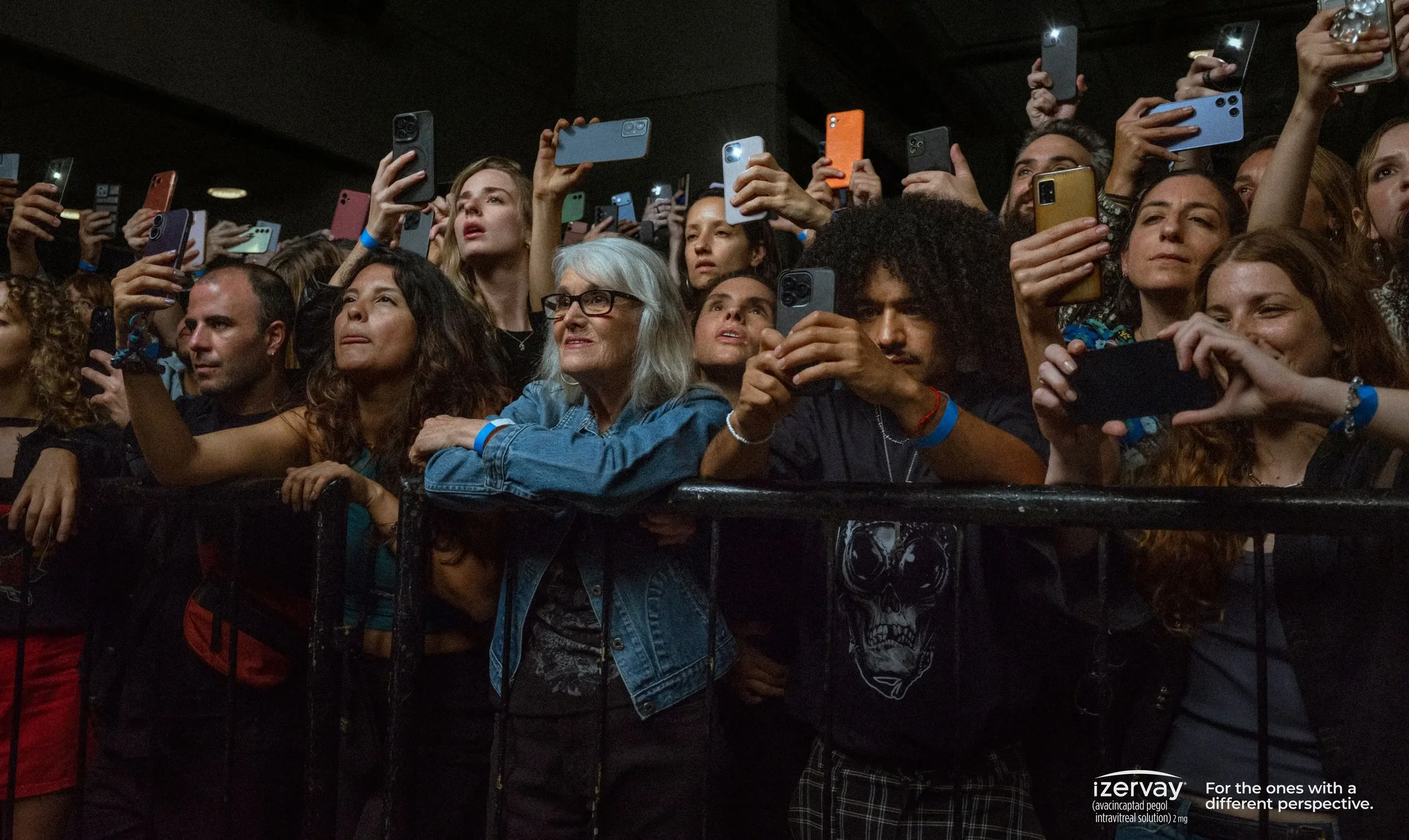
CR: The work earned D&AD recognition in Photography — not a category healthcare advertising often lands in. What does that mean to you, and what do you hope it signals to the health creative community?
GB: It meant a lot to our team. We know how hard D&AD is. Arguably the most toughestT show out there. Then add the Photography category. And then add the fact that this was a branded pharmaceutical campaign competing against the very best consumer work in the world. In many ways,tThis recognition almost a miracle. But it shouldn't.
I hope this work helps open doors and inspire the industry. Because it proves this type of work is possible, even in our highly regulated sector, and that goes both to creatives and clients. It takes the right brief, a lot of courage —especially from clients willing to fight the right battles alongside you—and that magical word we both love and can't live without: "craft".
CR: Beyond the campaign itself, what’s the bigger conversation you want “Gen See” to open up?
GB: Someone saw this piece and told me in privately, "This just made me realize I was holding my phone up the moment my daughter was born, and I wish I could go back to store that moment in a different way".
In an era where phones have become extensions of our limbs and AI is quickly becoming extensions of our brains, I hope this work encourages us to go back to being just ourselves—unfiltered, present, human. Life becomes a lot easier to enjoy when we're actually there for it