What it Takes to Build a Network
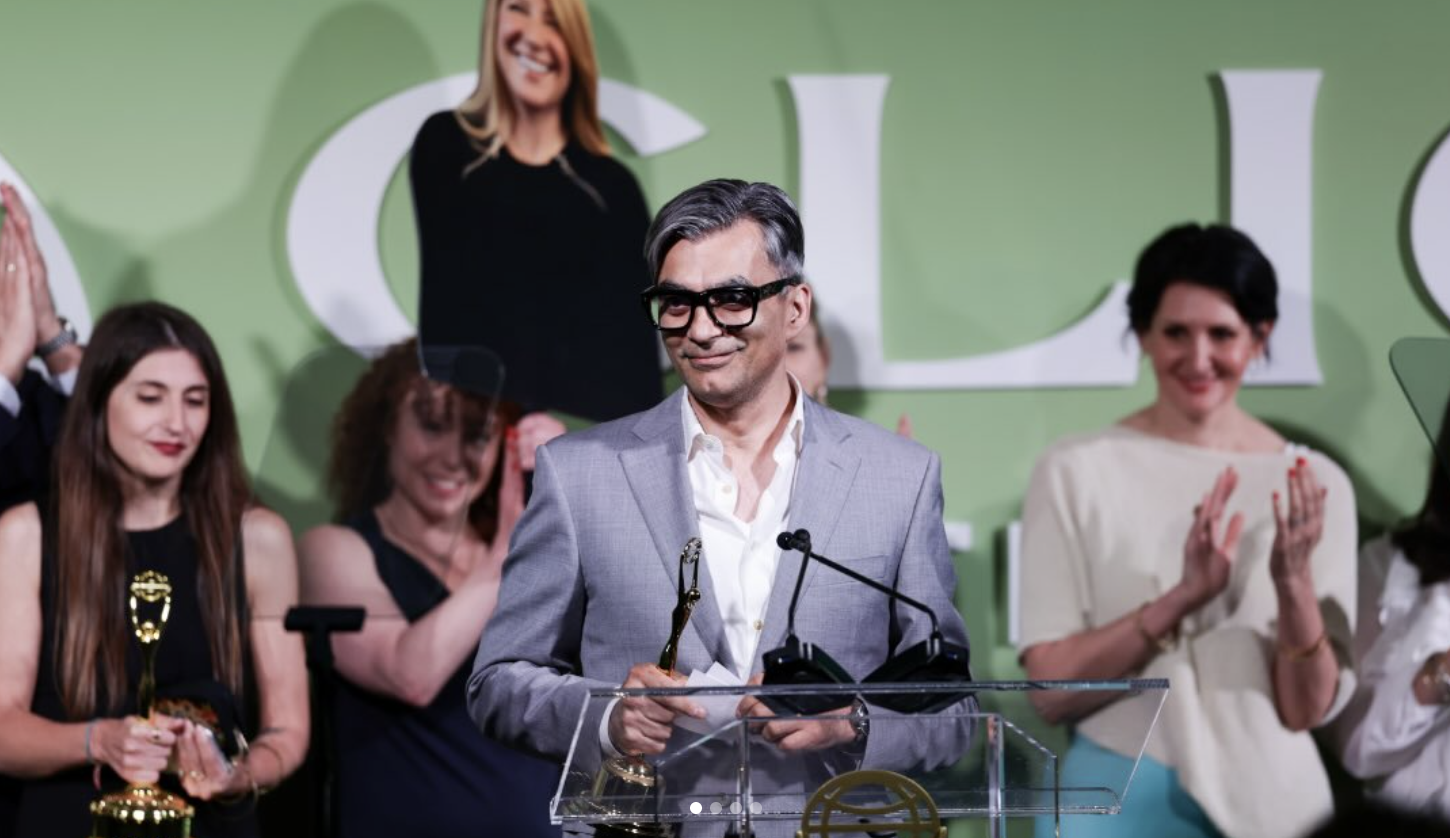
Hot off the heals of winning Clio Health 2026 Network of the year, as well as Agency of the year, we caught up with Mario Muredda, Global CEO of Ogilvy Health
CR: First of all, congratulations on Ogilvy Health being named Network of the Year at the Clio Health Awards! How does it feel to receive this prestigious recognition, and what does this win mean for the global team at Ogilvy Health?
MM: Let’s see if I can answer this without dropping an F-bomb....it feels pretty f&*king fantastic! I’m happy to see the health industry recognize the creative brilliance that we all know exists here at Ogilvy. This is a really special place when it comes to creativity, and the way we show up as One Ogilvy—across Health and Consumer, multiple geographies, and diverse clients—is unique and a big part of our special sauce. I’m really proud of our Creative community for bringing this to life for us. Thank you!
CR: Winning "Network of the Year" requires consistent excellence across multiple offices and markets. How do you foster a unified culture of creative ambition across a global network?
MM: I think it starts at the top. Liz Taylor is hands down the best in the business, and her vision is clear—we need to stand for Creative Excellence period. Be it in Health or CPG or Sports or Beauty....or in the UK or Canada. Ogilvy is about doing the best work of our lives together and she’s really set the bar for what excellence looks like. And I support her vision 100%. Let’s all just be excellent together, regardless of where we work or what sector we specialize in.
CR: In healthcare, the stakes are incredibly high, we are often talking about life-saving treatments or major lifestyle changes. In your view, how does high-level creativity actually translate into better health outcomes for patients and providers?
MM: “Better health outcomes” to me really are the result of some intervention(s) that caused a positive change to someone’s health. Implicit in that is a human behavioral change...either with a consumer, a patient, a caregiver, a healthcare professional, or some combination of those. Doing the kind of work that stimulates that behavior change is what our creativity is all about. Our work causes people to take actions—however small—that improve their health. Sign me up for that.
CR: How do you strike the balance between strict regulatory compliance and groundbreaking, disruptive creativity? Is regulation a barrier, or can it actually be a creative catalyst?
MM: Love this question... The regulations are necessary—we work in health, and we represent products and/or interventions that affect the lives and wellbeing of patients. That’s tremendously serious work that requires respect and regulation. So I’m all for the regulations. What I’m not for is us blaming the regulations for low quality, uninspired, so-so work. We should see the regulations as instruments to make our ideas better and more creative rather than excuses for watered-down work. And I think the proof is in the pudding—just look at the inspiring, uber creative work that has come from Ogilvy Health this year. All within regulations. All exceptional.
CR: Now that you’ve reached the top spot as Network of the Year, the bar is set even higher. What is the next creative frontier for Ogilvy Health?
MM: We need to do it all over again! Whoever is at the top always sets the Creative bar for everyone else in the industry. It just so happens that this year, the Network at the top has set an impossible bar that will be difficult to beat. But I know we are up for the challenge, and our goal is to surpass that bar next year. And the one after. And the one after that.
CR: If you could give one piece of advice to clients in the pharma and healthcare sectors who might be hesitant to take creative risks, what would it be?
MM: I would tell them to not go on the journey alone and recognize that there are more passive supporters in their organizations than they realize (they just need to unlock them) and to be open to going on the journey with their creative agency as a partner rather than a vendor. You’d be surprised how willing many clients are to advance a ‘risky’ idea when their agency partner is willing to share the risk with them. And why not? If we as the Creative agency really believe in our idea, we should assume just as much risk as we are asking our clients to assume. Because in our industry, the ‘risk’ is often really perceived organizational risk and tied to organizational norms, but the benefit is better health outcomes for patients. We should have the conviction to do what is necessary to achieve those outcomes right alongside our clients.